
Expert Cancer Care for Breast & Gynecologic Cancers
A cancer diagnosis often brings uncertainty, difficult decisions, and many questions about what comes next. Understanding your diagnosis and choosing the right treatment begins with careful evaluation, clear communication, and evidence-based medical care.
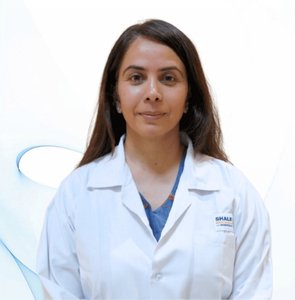
Dr. Manasi Shah is a Senior Consultant – Medical Oncology & Hematology with advanced oncology training in the United States and American Board Certification in Internal Medicine, Hematology, and Medical Oncology. She specializes in the medical management of breast cancer and gynecologic cancers through chemotherapy, targeted therapy, immunotherapy, hormone therapy, and precision oncology.
Whether you have recently been diagnosed, are seeking a second opinion, or have been referred after surgery, every treatment recommendation is guided by scientific evidence, the biology of your cancer, and your individual health needs.

Medical Oncologist in Ahmedabad with International Training and Research Expertise
When choosing a cancer specialist, experience and clinical judgment matter just as much as treatment itself. Every recommendation should be based on a thorough understanding of the disease, the latest medical evidence, and the individual needs of each patient.
Dr. Manasi Shah completed her Internal Medicine Residency at Bridgeport Hospital, Yale School of Medicine, followed by Fellowship training in Hematology & Medical Oncology at the University of Connecticut. She further underwent Bone Marrow Transplant training at Memorial Sloan Kettering Cancer Center, New York.
Her professional journey includes serving as Clinical Assistant Professor at the University of Connecticut, Attending Medical Oncologist at NewYork-Presbyterian Medical Group, Consultant at HCG Cancer Centre, and currently Senior Consultant – Medical Oncology at Shalby Cancer & Research Institute, Ahmedabad.
Her practice focuses on the medical treatment of breast cancer and gynecologic cancers, combining international training, years of clinical experience, and active involvement in oncology research.

Training That Combines International Experience With Years of Clinical Practice
Dr. Manasi Shah’s professional journey reflects a strong foundation in academic medicine, advanced oncology training, and years of clinical practice across internationally recognized institutions. Her experience in patient care, medical research, and clinical education continues to guide her evidence-based approach to cancer treatment.

Smt. NHL Municipal Medical College, Gujarat University

Bridgeport Hospital, Yale School of Medicine, USA

University of Connecticut, USA

Memorial Sloan Kettering Cancer Center, New York
University of Connecticut

NewYork-Presbyterian Medical Group

HCG Cancer Centre, Ahmedabad
Shalby Cancer & Research Institute, Ahmedabad
Learning that you or a loved one has cancer can be overwhelming. Questions about the diagnosis, stage of disease, treatment options, possible side effects, and recovery often arise long before treatment begins.
As a Medical Oncologist, Dr. Manasi Shah focuses on understanding the biology of the disease before recommending treatment. Every patient’s cancer is different, and treatment decisions require careful evaluation of pathology, imaging, laboratory findings, and tumour characteristics.
The goal is not simply to begin treatment; it is to begin the treatment that offers the greatest benefit based on your individual diagnosis.

Every Treatment Plan Begins With Understanding Your Cancer - Not Just Treating It
Successful cancer treatment starts with an accurate diagnosis and a detailed understanding of the disease. Before recommending chemotherapy, targeted therapy, immunotherapy, or hormone therapy, several important clinical factors are carefully reviewed. Every treatment plan is developed only after this comprehensive assessment has been completed. This evaluation may include:
Review of biopsy and pathology reports
Cancer staging and extent of disease
PET-CT, MRI, CT scan, or other imaging
Hormone receptor and HER2 testing
Molecular and genetic profiling where indicated
Previous treatments or surgeries
Overall health and associated medical conditions
Expected treatment benefits and potential risks
Modern Cancer Treatment Goes Beyond Chemotherapy
Cancer treatment has evolved significantly over the years. While chemotherapy continues to play an important role in treating many cancers, advances in medical oncology now allow treatment to be selected based on the biology of the tumour, its stage, molecular characteristics, and the individual needs of each patient. Depending on the diagnosis, treatment may involve one or a combination of the following approaches.
01. CHEMOTHERAPY
Uses carefully selected anti-cancer medicines to destroy rapidly dividing cancer cells, shrink tumours, reduce the risk of recurrence, or control the spread of disease.

02. Targeted Therapy
Works by blocking specific proteins or molecular pathways that help cancer cells grow and spread, allowing treatment to focus on the unique biology of the tumour.

03. Immunotherapy
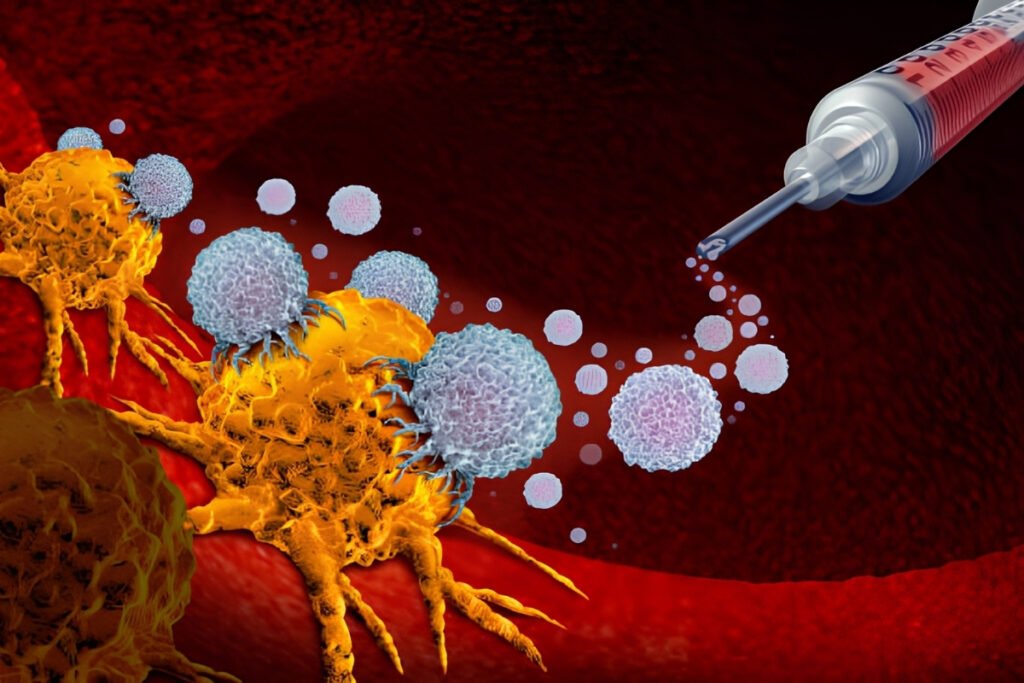
Helps the body’s immune system recognize and attack cancer cells and may be recommended for selected cancers based on biomarker testing.
04. Hormone Therapy
Commonly used for hormone receptor-positive breast cancer and certain gynecologic cancers to reduce hormone-driven tumour growth and lower recurrence risk.

05. Precision Oncology
Uses molecular profiling and genetic testing to better understand the tumour and guide treatment decisions based on its unique biological characteristics.

Every Treatment Plan Begins With Understanding Your Cancer - Not Just Treating It
Successful cancer treatment starts with an accurate diagnosis and a detailed understanding of the disease. Before recommending chemotherapy, targeted therapy, immunotherapy, or hormone therapy, several important clinical factors are carefully reviewed.
Biopsy & Pathology
These reports confirm the type of cancer and provide essential information about the tumour, helping determine the most appropriate treatment approach.
Advanced Imaging
PET-CT, MRI, CT scans, and other imaging studies help assess the size, location, and spread of the tumour for accurate treatment planning.
Molecular Profiling
Molecular and genetic testing provide deeper insights into the biology of the tumour and help guide precision-based treatment decisions.
Overall Health
Your general health, existing medical conditions, and overall fitness are considered to ensure the chosen treatment is both safe and appropriate.
Cancer Staging
Cancer staging evaluates the extent of the disease and whether it has spread, allowing treatment to be planned according to the stage of cancer.
Biomarker Testing
Hormone receptor and HER2 testing help identify specific tumour characteristics and determine whether targeted or hormone therapy may be beneficial.
Treatment History
Previous surgeries, chemotherapy, radiation, or other treatments are carefully reviewed to plan the next phase of cancer care safely and effectively.
Risk–Benefit Assessment
The expected benefits, possible risks, and treatment goals are carefully balanced to recommend the most suitable option for your diagnosis.
A Medical Oncologist in Ahmedabad Focused on Evidence-Based Cancer Care
Choosing the right Medical Oncologist involves more than selecting a treatment. It means working with a specialist who carefully interprets biopsy reports, imaging findings, pathology results, and molecular testing before recommending the next step. With extensive oncology training in the United States, American Board Certification in Medical Oncology and Hematology, and years of clinical experience managing breast and gynecologic cancers, Dr. Manasi Shah follows an evidence-based approach to help patients understand their diagnosis and the treatments that may be appropriate for their condition. Every recommendation is made after careful clinical evaluation and in coordination with the multidisciplinary cancer care team whenever required.
Accurate Evaluation
Every recommendation is based on cancer type, disease stage, pathology findings, molecular testing, and your overall health.
Systemic Therapies
Expertise in chemotherapy, targeted therapy, immunotherapy, hormone therapy, precision oncology where clinically appropriate.
Team-Based Care
Treatment planning is coordinated with surgeons, radiation oncologists, radiologists, and pathologists for informed care decisions.
Ongoing Follow-up
Regular follow-up, treatment response assessment, and survivorship care help support recovery beyond active cancer treatment.

Medical Oncology Expertise for Breast Cancer Treatment
Breast cancer is one of the most commonly diagnosed cancers among women and one of the most extensively studied, leading to significant advances in diagnosis and treatment. Today, treatment decisions are based not only on the size or stage of the tumour but also on its biological characteristics, including hormone receptor status, HER2 expression, and molecular profile. As a Medical Oncologist, Dr. Manasi Shah works closely with breast surgeons, radiation oncologists, pathologists, and radiologists to develop evidence-based treatment plans that address the specific features of each patient’s disease. Medical oncology plays a vital role in treating breast cancer at every stage, using chemotherapy, targeted therapy, hormone therapy, immunotherapy, and other systemic treatments when appropriate. Regular follow-up and ongoing surveillance are equally important to monitor recovery, assess treatment response, and detect recurrence as early as possible.
Gynecologic Cancer Care Guided by an Experienced Medical Oncologist

Gynecologic cancers affect the female reproductive organs and require coordinated treatment involving multiple specialists. While surgery and radiation therapy are often important components of treatment, systemic therapy provided by a Medical Oncologist plays a vital role in reducing the risk of recurrence, controlling advanced disease, and improving long-term outcomes.
Dr. Manasi Shah provides medical oncology care for women diagnosed with gynecologic cancers, working closely with gynecologic oncologists and other cancer specialists to determine the most appropriate treatment strategy.

Ovarian Cancer
Treatment often involves chemotherapy before or after surgery, followed by targeted therapy or maintenance treatment when indicated. Recommendations are guided by pathology findings, disease stage, and genetic testing where appropriate.
Cervical Cancer
Medical oncology contributes to the treatment of cervical cancer through chemotherapy given alongside radiation therapy or as systemic treatment for recurrent or advanced disease.
Uterine (Endometrial) Cancer
Treatment decisions depend on tumour grade, stage, molecular characteristics, and recurrence risk. Systemic therapy may include chemotherapy, hormone therapy, immunotherapy, or targeted therapy depending on the diagnosis.
Vulvar Cancer
For advanced, recurrent, or metastatic vulvar cancers, medical oncology works alongside surgery and radiation therapy to determine the most suitable systemic treatment options.
One of the most important aspects of modern oncology is recognizing that no two cancers are exactly alike. Even when two patients receive the same diagnosis, differences in tumour biology, stage of disease, molecular characteristics, and overall health can influence the treatment approach. Before recommending therapy, Dr. Manasi Shah carefully evaluates several factors to determine the most appropriate course of treatment.

Questions Patients Frequently Ask Before Starting Treatment
Do all patients with cancer require chemotherapy?
No. Chemotherapy is only one of several treatment options available in modern oncology. Depending on the type of cancer, its stage, and tumour biology, treatment may instead involve targeted therapy, hormone therapy, immunotherapy, surgery, radiation therapy, or a combination of these approaches.
Will cancer treatment affect my daily routine?
The impact of treatment varies depending on the type of therapy, treatment schedule, and overall health. While some patients continue many of their normal activities, others may experience temporary side effects such as fatigue or nausea that require adjustments during treatment.
How often will I need follow-up after completing treatment?
Follow-up schedules differ for every patient and depend on the type of cancer, stage of disease, and treatment received. Regular appointments allow your doctor to monitor recovery, assess long-term health, and identify any signs of recurrence if they occur.
Can I seek a second opinion before beginning treatment?
Yes. Many patients choose to seek a second opinion to better understand their diagnosis and explore all available treatment options. Reviewing pathology reports, imaging studies, and previous recommendations can provide greater clarity before starting treatment.
Difference between chemotherapy, targeted therapy, and immunotherapy?
Chemotherapy destroys rapidly dividing cancer cells throughout the body. Targeted therapy focuses on specific molecular changes within cancer cells, while immunotherapy works by helping the body’s immune system recognize and attack cancer. The most appropriate treatment depends on the individual characteristics of the tumour.
What should I bring to my first consultation?
Please bring all available medical records, including biopsy and pathology reports, imaging studies, blood test results, previous treatment summaries, current medications, and a list of questions or concerns you would like to discuss during your consultation.
Whether you have recently been diagnosed with breast cancer or gynecologic cancer, have been advised to begin systemic therapy, or wish to seek a second opinion, understanding your diagnosis is the first step toward making informed treatment decisions.
mansi1227@gmail.com
+91 70960 12800
Shalby Multi-Specialty Hospitals
Sarkhej - Gandhinagar Hwy, Opp. Karnavati Club, Ramdev Nagar, Ahmedabad, Gujarat 380015